 0804581147008045811470


 English
 Spanish
 French
 German
 Italian
 Chinese (Simplified)
 Japanese
 Korean
 Arabic
 Portuguese

 Send Inquiry
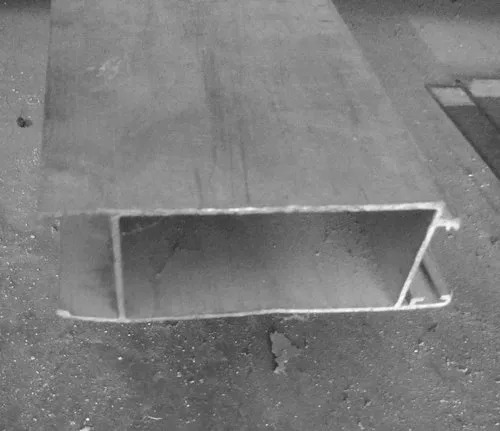
3000 Aluminium Door Sections
Price 250 INR/ Kilograms
MOQ : 100 Kilograms
3000 Aluminium Door Sections Specification
- Thickness
- 0.8 mm to 2.5 mm (as per requirement)
- Features
- Durable, Lightweight, Easy Installation, Rustproof, Weather Resistant
- Finish
- Smooth, Glossy, Matte
- Usage & Applications
- Doors, Partitions, Windows, Frames, Interior & Exterior constructions
- Diameter
- Not Applicable (Rectangular/Cross profile)
- Material Grade
- AA3003, AA3103, AA3004, AA3011 etc.
- Width
- As per section specification
- Fabrication Process
- Extruded
- Cross Dimension
- Standard profiles & custom options
- Corrosion Resistant
- Yes
- Size
- Customizable; Standard sizes available
- Temper
- T5/T6 (customizable)
- Length
- 3m, 4m standard or customizable
- Material
- Aluminium
- Product Type
- 3000 Aluminium Door Sections
- Shape
- Rectangular
- Strength
- High Strength
- Hardness
- 65-110 HB
- Alloy
- 3000 Series Aluminium Alloy
- Grade
- 3000 Series
- Surface Treatment
- Anodized, Powder Coated, Mill Finished
- Dimension (L*W*H)
- Standard/Custom, e.g. 20mm x 45mm x 3m
- Color
- Grey
- Fire Resistance
- Non-combustible
- Thermal Conductivity
- 140-180 W/mK
- Packaging Type
- Shrink Wrap, Carton, Wooden Crate
- Installation
- Screw Fix, Snap Fit, Welding
- Density
- ~2.7 g/cm3
- Edge Type
- Square/Beveled/Custom as required
- Tensile Strength
- 120 - 160 MPa
- Elongation
- Approx 10% - 12%
- Sound Insulation
- Moderate (varies by design and glazing)
3000 Aluminium Door Sections Trade Information
- Minimum Order Quantity
- 100 Kilograms
- Payment Terms
- Cash Advance (CA)
- Supply Ability
- 5000 Kilograms Per Month
- Delivery Time
- 7-10 Days
- Main Domestic Market
- All India
About 3000 Aluminium Door Sections
Backed by a group of extremely talented professionals, our firm is betrothed in trading and supplying a qualitative range of the 3000 Aluminium Door Sections. The offered range is made by using the finest quality components and innovative tools & techniques, as per the industry norms and standards. Due to its durability, resistance to corrosion, easy installation, weather-resistant, flawless functioning and many more attributes, our products are highly demanded. Further, we ensure to provide the excellent quality range of the 3000 Aluminium Door Sections in different specifications and at very reasonable prices.
High-Strength and Durable Construction
Engineered with the robust 3000 series aluminium alloys, these door sections deliver exceptional strength and resilience, making them suitable for demanding environments. Their rustproof, weather-resistant nature ensures long-lasting performance in both indoor and outdoor settings. Built to withstand daily wear, they also boast excellent mechanical properties such as elongation of 10%-12% and hardness between 65-110 HB.
Versatile Design and Customization
Offered in standard rectangular shapes and customizable dimensions, the 3000 Aluminium Door Sections adapt to a wide array of architectural needs. You can select from smooth, glossy, or matte finishes and various edge types-square, beveled, or custom. Color and temper can also be tailored, ensuring seamless integration into contemporary door, partition, and framing applications.
Easy and Flexible Installation
Designed for user-friendly assembly, these sections accommodate diverse installation methods, including screw fix, snap fit, and welding. The lightweight profile simplifies handling, and a choice of packaging-shrink wrap, cartons, or wooden crates-ensures product safety during transport. Whether you're outfitting large-scale commercial spaces or bespoke residential projects, integration is efficient and reliable.
FAQ's of 3000 Aluminium Door Sections:
Q: How are the 3000 Aluminium Door Sections typically installed?
A: These aluminium sections can be installed using screw fix, snap fit, or welding techniques. The choice of installation depends on project requirements and allows easy adaptation to varied framing or partition needs.Q: What are the key benefits of using 3000 Aluminium Door Sections in construction?
A: The main advantages include high strength, corrosion resistance, lightweight structure, and easy installation. Their fire-resistant and rustproof properties make them ideal for both interior and exterior applications where longevity and durability are essential.Q: When should I choose custom sizes or finishes for aluminium door profiles?
A: Custom sizes or finishes are ideal when your project requires specific dimensions, colors, or decorative styles not met by standard profiles. This ensures perfect compatibility with your design or structural needs, particularly for bespoke doors and windows.Q: Where can these aluminium sections be used?
A: 3000 Aluminium Door Sections are versatile and suitable for use in doors, partitions, windows, frames, and various structural elements in both commercial and residential settings. They are also ideal for interior and exterior construction applications.Q: What is the surface treatment process for these profiles?
A: Common surface treatments include anodizing for added protection and aesthetics, powder coating for color variety and enhanced durability, and mill finishing for a clean, modern look. These processes improve resistance to corrosion and wear.Q: How does the fire resistance feature benefit building projects?
A: Being non-combustible, these aluminium door sections enhance the fire safety of buildings. Their inability to support combustion offers added peace of mind for installations in areas with stringent safety regulations.Q: What should I know about the sound insulation and thermal conductivity of these profiles?
A: The 3000 Aluminium Door Sections provide moderate sound insulation, which can be optimized with appropriate glazing and design. They have a thermal conductivity between 140-180 W/mK, making them suitable for environments where heat transfer management is important.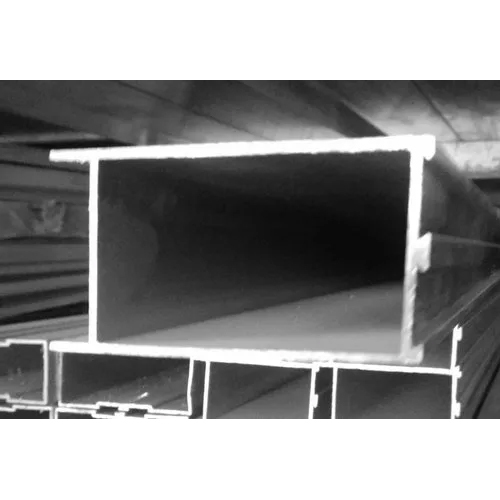
Tell us about your requirement

Price:
Quantity
Select Unit
- 50
- 100
- 200
- 250
- 500
- 1000+
Additional detail
Mobile number
Email

More Products in Aluminum Section Category
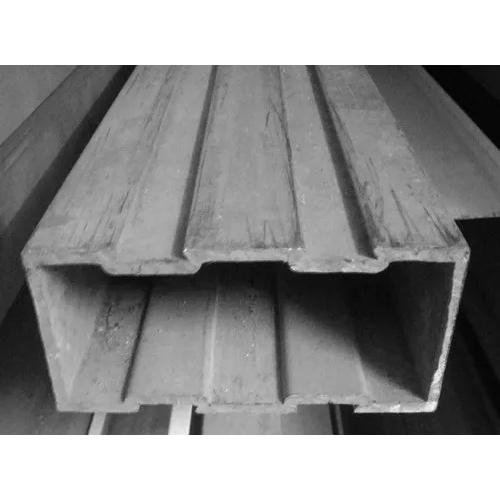
20 MM Aluminium Section
Price 200 INR / Kilograms
Minimum Order Quantity : 100 Kilograms
Hardness : As per requirement
Dimension (L*W*H) : 20 mm x 20 mm x Custom Length
Material Grade : AA6063
Grade : 6063
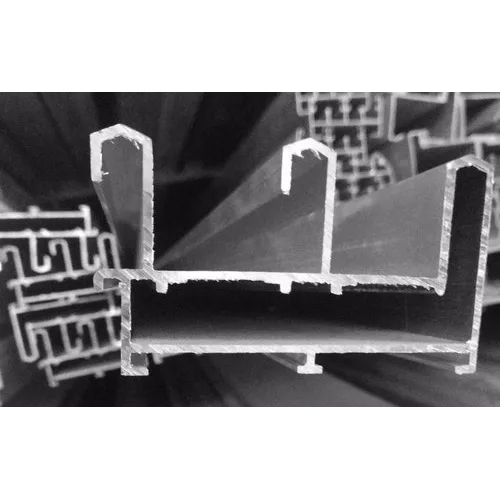
Aluminium Domal Section
Price 200 INR / Kilograms
Minimum Order Quantity : 100 Kilograms
Hardness : 80100 HB
Dimension (L*W*H) : As per drawing / standard sections
Material Grade : 6063T5 / T6
Grade : 6000 Series
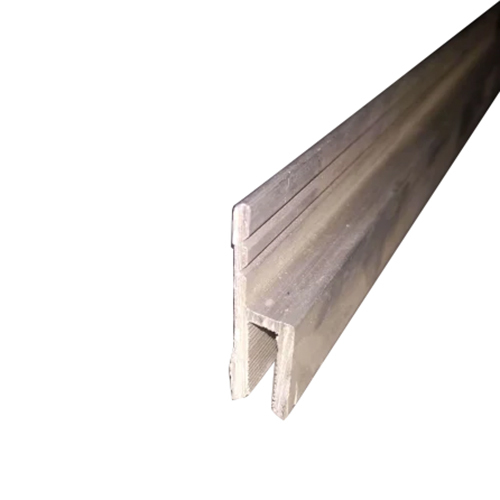
Industrial Aluminium F Section
Price 260 INR / Kilograms
Minimum Order Quantity : 100 Kilograms
Hardness : Brinell 6080 HB
Dimension (L*W*H) : Available as per requirement
Material Grade : Industrial Grade
Grade : 6063
Aluminum Sections
Price 215 INR / Kilograms
Minimum Order Quantity : 100 Kilograms
Hardness : 90120 Brinell
Dimension (L*W*H) : Customizable
Material Grade : AA 6063
Grade : 6063

Contact Us
- Near Hotel Revels, Lower Ground Floor , Plot No .7, D B Gupta Road, Paharganj, New Delhi - 110055, India
- Phone : 08045811470
KOHLI ALUMINIUM & HARDWARE
GST : 07AIUPK5028N1ZL
GST : 07AIUPK5028N1ZL
- Mr Vanshaj (Proprietor)
- Mobile : 08045811470
- Send Inquiry
 Send Inquiry
Categories
- Aluminium Profiles
- Aluminium Channels
- Aluminum Section
- Aluminium Curtain Wall
- Aluminum Railings
- Aluminium Tubes
- Aluminium Louvers
- Aluminium Sheet And Plate
- Aluminium Pipes
- Heat Sink
- Aluminium Rods
- Structural Glazing
- Aluminium Extrusion
- Aluminium Name Plate
- Aluminium Bars
- Aluminium Angle
- Aluminium Elevation
- Aluminium Scaffold
- Aluminium Pergola
- Aluminium Fluted Pipes
- Aluminium Flats
- Aluminium Conveyor Display Section
- Aluminium Window
- Aluminum Euro Sliding Window
- Aluminium Glass Railing
- Aluminum Georgian Bar
- Aluminum Profile
- Exhibition Section
- Aluminum Coils
- Aluminium LED Skirting - Edge Profile
- Aluminium Equal And Unequal Angles
- Aluminium Hardware
- Aluminium Chequered Plates
- Aluminium Led Light Profile
- Aluminium Motor Body
- Aluminum Profile Section
- Aluminium Gate Profile
- Aluminium Railing Section
- Aluminium Curtain Wall Glazing
- Aluminium Sliding Section
- Aluminium Door Profile
 Send Inquiry
KOHLI ALUMINIUM
All Rights Reserved.(Terms of Use)
Developed and Managed by Infocom Network Private Limited.
Developed and Managed by Infocom Network Private Limited.

