 0804581147008045811470


 English
 Spanish
 French
 German
 Italian
 Chinese (Simplified)
 Japanese
 Korean
 Arabic
 Portuguese

 Send Inquiry
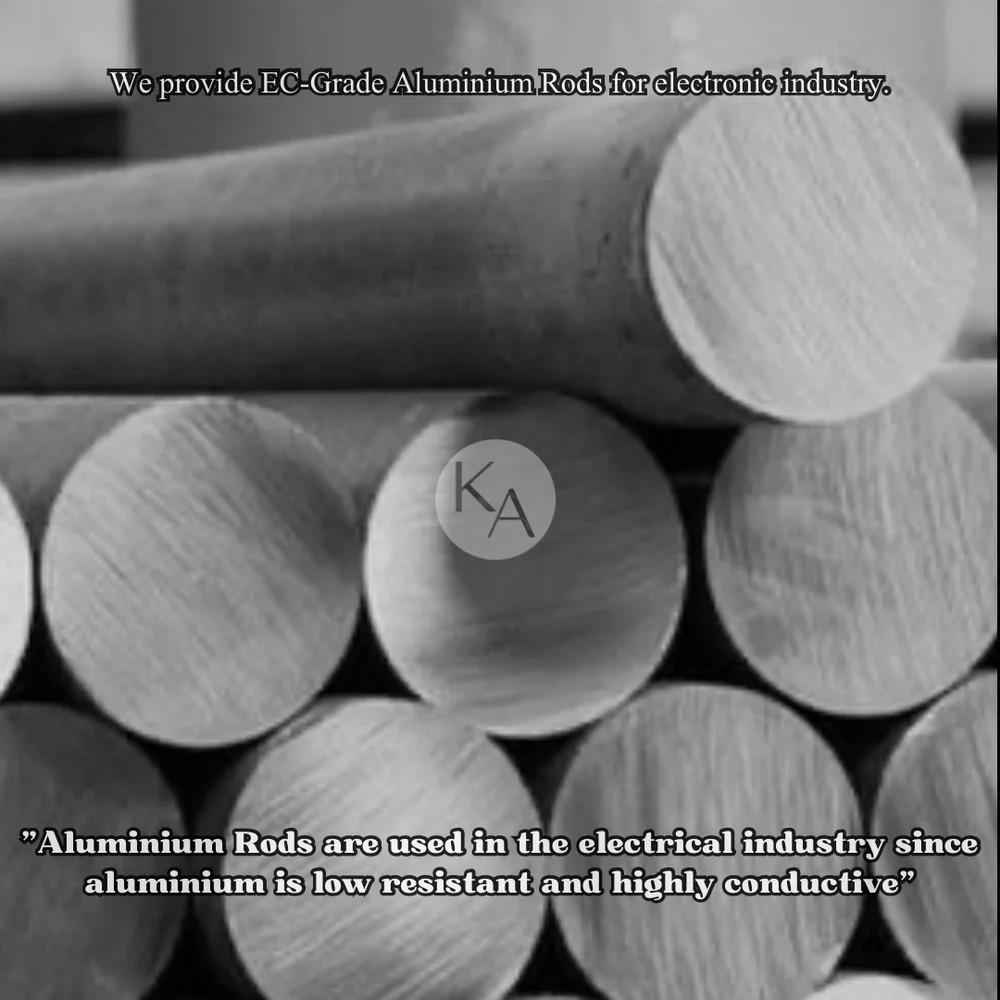
Aluminium Round Rods
Price 255 INR/ Kilograms
MOQ : 100 Kilograms
Aluminium Round Rods Specification
- Diameter
- 6 mm to 300 mm
- Size
- 6 mm to 300 mm (diameter range)
- Material
- Aluminium
- Features
- Lightweight, Durable, Good machinability, Precision tolerance
- Fabrication Process
- Extruded, Drawn, Rolled
- Thickness
- As per diameter; up to 300 mm
- Outer Diameter
- 6 mm to 300 mm
- Finish
- Smooth, Polished, Anodized
- Material Grade
- 6061/6082/7075 (as per specification)
- Cross Dimension
- N/A (Round rod)
- Usage & Applications
- Aerospace, Automotive, Construction, Marine, General Engineering
- Temper
- T6, H14, O, T651, T4
- Corrosion Resistant
- Yes
- Length
- 1000 mm to 6000 mm (standard/custom)
- Width
- N/A (Round shape)
- Product Type
- Aluminium Round Rods
- Shape
- Round
- Strength
- High tensile strength
- Hardness
- 60-110 HRB (varies by alloy and temper)
- Alloy
- Alloyed and Non-Alloyed
- Grade
- 6061, 6082, 7075, 2014, 6063, 1100 (Depending on requirements)
- Surface Treatment
- Coated
- Dimension (L*W*H)
- Customized; Standard length: 3-6 meters
- Color
- Silver
- Machinability
- Excellent
- Density
- 2.7 g/cm3
- Tolerance
- 0.1 mm to 0.5 mm (depends on diameter)
- Standard
- ASTM B211/B221, EN AW, IS, JIS
- Minimum Order Quantity
- 100 kg or as specified
- Packaging
- Bundled or as per customer requirement
- Elongation
- 8-15% (based on grade and temper)
- Weldability
- Good (depends on alloy)
- Conductivity
- Electrical and Thermal Conductivity: High
Aluminium Round Rods Trade Information
- Minimum Order Quantity
- 100 Kilograms
- Payment Terms
- Cash Advance (CA)
- Supply Ability
- 5000 Kilograms Per Month
- Delivery Time
- 7-10 Days
- Main Domestic Market
- All India
About Aluminium Round Rods
Our years of market knowledge have enabled us to establish as a famous trader and supplier of the Aluminium Round Rods, based in New Delhi, India. These are cylindrical-shaped bars, commonly used in construction, fabrication and engineering for various purposes like support, reinforcement and structural connections. All the rods are made by using the quality-tested aluminum materials and advanced techniques, with the support of our team of diligent professionals. Furthermore, you can avail the offer of the Aluminium Round Rods in various dimensions, sizes and other specifications at very reasonable prices.
Versatile Composition and Grades
Our aluminium round rods are offered in both alloyed and non-alloyed forms, with grades such as 6061, 6082, 7075, 2014, 6063, and 1100. These grades provide options for specific industrial needs, including high tensile strength, notable hardness (60-110 HRB), and superior machinability. Various tempers like T6, H14, O, and T651 ensure adaptability for diverse mechanical properties and processing requirements.
Precision Manufacturing and Finishes
Manufactured through extruding, drawing, or rolling processes, these rods maintain a high degree of dimensional accuracy and surface quality. Precision tolerances from 0.1 mm to 0.5 mm and smooth, polished, or anodized finishes are available. Standard and custom lengths (1000 mm to 6000 mm) and diameters (6 mm to 300 mm) can be supplied, with bundled packaging or as per customer specifications.
Wide Application Scope
Aluminium round rods serve multiple sectors including aerospace, automotive, marine, construction, and general engineering. Their lightweight, corrosion resistance, and excellent conductivity make them ideal for uses ranging from load-bearing structural components to electrical or thermal applications. Their durability and customizable specifications provide versatile solutions for both high-performance and routine engineering demands.
FAQ's of Aluminium Round Rods:
Q: How are aluminium round rods manufactured and what processes are used?
A: Aluminium round rods are fabricated primarily through extrusion, drawing, or rolling processes. These manufacturing techniques ensure high dimensional accuracy, excellent surface finish, and precision tolerance, meeting a variety of industry-wide specifications and standards.Q: What applications are aluminium round rods commonly used for?
A: These round rods are used in sectors like aerospace, automotive, construction, marine, and general engineering. Their high strength-to-weight ratio, excellent conductivity, and corrosion resistance make them suitable for load-bearing structures, frames, supports, electrical connectors, and various engineered components.Q: What are the main benefits of using aluminium round rods with specified standards and grades?
A: Using rods that conform to ASTM, EN, IS, and JIS standards assures quality and performance. Benefits include high electrical and thermal conductivity, lightweight strength, corrosion resistance, and customizable grades and tempers to suit mechanical, machinability, and fabrication requirements.Q: When should different aluminium grades or tempers be selected for a project?
A: The choice of grade (6061, 6082, 7075, etc.) or temper (T6, H14, O, T651) depends on application requirements such as mechanical strength, machinability, weldability, or corrosion resistance. For example, 7075 offers high strength for aerospace, while 6063 is preferred for architectural applications.Q: Where can these aluminium round rods be supplied and what is the minimum order quantity?
A: We supply aluminium round rods across India, catering to both bulk and specific needs. The minimum order quantity is generally 100 kg, but it can be specified as per customer requirements and project demands.Q: What surface treatments and finishes are available for these rods?
A: Aluminium round rods can be delivered with various surface treatments such as smooth polished, anodized, or coated finishes. These treatments enhance corrosion resistance, appearance, and fit for specific environmental or aesthetic requirements.Q: How is packaging handled and can it be customized for different customer needs?
A: Packaging is typically done in bundles, but it can be fully customized based on customer requirements. This ensures damage-free transportation and aligns with specific handling, storage, or project needs.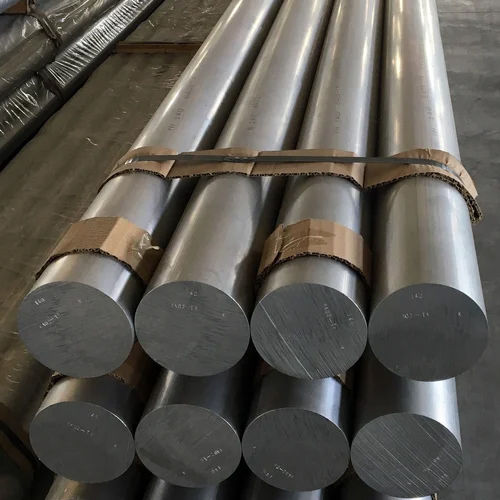
Tell us about your requirement

Price:
Quantity
Select Unit
- 50
- 100
- 200
- 250
- 500
- 1000+
Additional detail
Mobile number
Email

More Products in Aluminium Rods Category
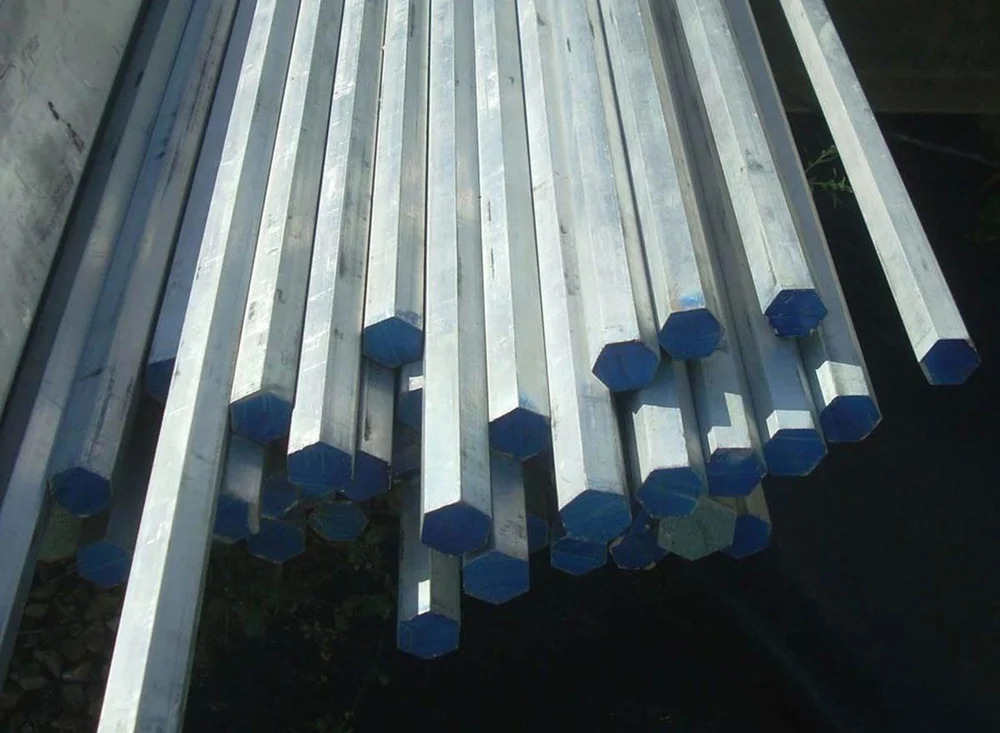
Aluminium Hexa Rod
Price 250 INR / Kilograms
Minimum Order Quantity : 100 Kilograms
Product Type : Aluminium Hexa Rod
Diameter : Up to 100 mm (across flat)
Shape : Hexagonal
Fabrication Process : Extruded, drawn or machined
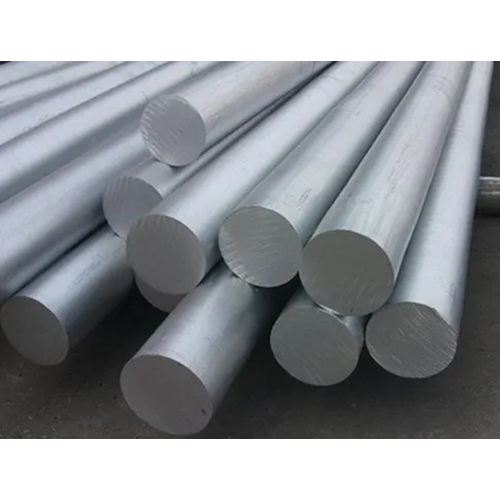
Anodize Aluminum Rod
Price 255 INR / Kilograms
Minimum Order Quantity : 100 Kilograms
Product Type : Anodize Aluminum Rod
Diameter : 10mm 100mm (customizable)
Shape : Round
Fabrication Process : Extruded and anodized
Industrial Aluminium Rods
Price 240 INR / Kilograms
Minimum Order Quantity : 100 Kilograms
Product Type : Industrial Aluminium Rod
Diameter : 10 mm to 300 mm (as per order)
Shape : Other, Round Rod
Fabrication Process : Extruded / Rolled

Contact Us
- Near Hotel Revels, Lower Ground Floor , Plot No .7, D B Gupta Road, Paharganj, New Delhi - 110055, India
- Phone : 08045811470
KOHLI ALUMINIUM & HARDWARE
GST : 07AIUPK5028N1ZL
GST : 07AIUPK5028N1ZL
- Mr Vanshaj (Proprietor)
- Mobile : 08045811470
- Send Inquiry
 Send Inquiry
Categories
- Aluminium Profiles
- Aluminium Channels
- Aluminum Section
- Aluminium Curtain Wall
- Aluminum Railings
- Aluminium Tubes
- Aluminium Louvers
- Aluminium Sheet And Plate
- Aluminium Pipes
- Heat Sink
- Aluminium Rods
- Structural Glazing
- Aluminium Extrusion
- Aluminium Name Plate
- Aluminium Bars
- Aluminium Angle
- Aluminium Elevation
- Aluminium Scaffold
- Aluminium Pergola
- Aluminium Fluted Pipes
- Aluminium Flats
- Aluminium Conveyor Display Section
- Aluminium Window
- Aluminum Euro Sliding Window
- Aluminium Glass Railing
- Aluminum Georgian Bar
- Aluminum Profile
- Exhibition Section
- Aluminum Coils
- Aluminium LED Skirting - Edge Profile
- Aluminium Equal And Unequal Angles
- Aluminium Hardware
- Aluminium Chequered Plates
- Aluminium Led Light Profile
- Aluminium Motor Body
- Aluminum Profile Section
- Aluminium Gate Profile
- Aluminium Railing Section
- Aluminium Curtain Wall Glazing
- Aluminium Sliding Section
- Aluminium Door Profile
 Send Inquiry
 Call Me Free
KOHLI ALUMINIUM
All Rights Reserved.(Terms of Use)
Developed and Managed by Infocom Network Private Limited.
Developed and Managed by Infocom Network Private Limited.

